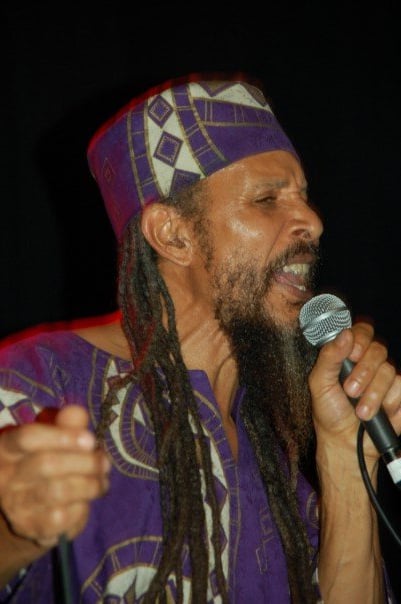
In a rare candid moment, reggae legend David Hinds opens up about the social, religious, and cultural challenges he's faced as a Rastafarian and activist, reflecting on how his perspectives have shifted over the years.
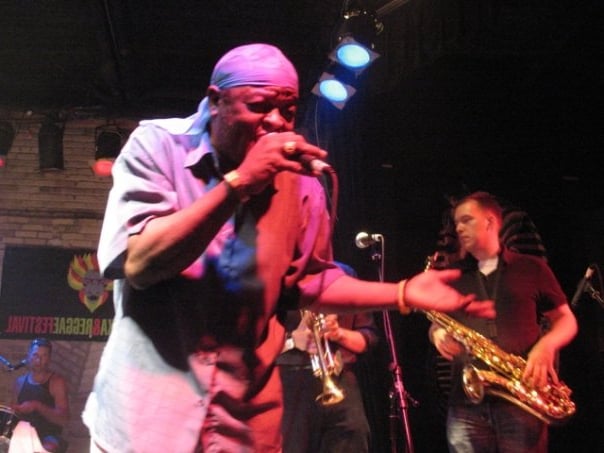
David Hinds isn’t one to shy away from tough topics. In a recent interview, the Steel Pulse frontman laid bare the realities of addressing social justice through reggae. He discussed how some issues—like racism and homophobia—are so contentious that even speaking on them can threaten personal safety or fan support. Despite these barriers, Hinds remains committed to using his voice, though he admits it’s a delicate balancing act, especially when facing the prejudices rooted in religion and cultural norms.
His reflections reveal a man who’s grown increasingly skeptical of organized religion, criticizing its materialism and the corruption he’s witnessed across Africa and beyond. According to David Hinds on Reggae’s Tough Conversations and , hinds pointed out that many preachers live lavishly while their congregations struggle, questioning the sincerity of their faith. During a recent trip to Ghana, he saw firsthand how religion often becomes a tool for exploitation rather than spiritual upliftment. His words serve as a reminder that reggae’s roots lie in truth-telling and resistance, even when those truths unsettle powerful institutions.
At the core of his evolution is a personal reassessment of Rastafarianism. Once deeply regimented in its practices, Hinds now approaches his faith with a more nuanced outlook. Having traveled the world, he’s encountered diverse ways of life, including people who eat insects out of necessity, contrasting sharply with the strict dietary and behavioral rules he grew up with. This openness reflects his belief that growth comes from understanding, not dogma, and that reggae’s message must adapt to the complexities of modern society.
His stance on Jamaica’s dancehall scene and its issues with homophobia is particularly striking. Hinds acknowledges the influence of religion in shaping attitudes against homosexuality, citing the biblical notion of “Adam and Eve” over “Adam and Steve.” He recognizes that tackling such entrenched views is dangerous territory, especially in a country where speaking out can lead to backlash. Yet, he emphasizes the importance of dialogue, even if it means risking confrontation—reggae, after all, was born as a voice for the oppressed and marginalized.
Hinds’s honesty underscores a broader truth about reggae: it’s a music of resistance and evolution. His willingness to speak about sensitive issues shows that the genre’s power lies in its ability to confront society’s darkest corners. While some fans might prefer the music to stay light and positive, Hinds believes real change requires facing the uncomfortable head-on. His insights remind us that reggae’s future depends on its capacity to reflect the realities of its people, evolving alongside the world’s shifting social landscape.
1 Yard chat
OneLoveVoice
Hinds keep it real—reggae fi uplift, fi challenge, fi inspire!