The dub poet and cultural critic traces reggae’s force to Jamaica’s mixed musical inheritance, while separating Rastafari’s political influence from his own religious outlook. For Johnson, the genre’s deepest value lies in its challenge to colonial power and its defense of social justice.
Linton Kwesi Johnson sees reggae’s rise in the 1960s and 1970s as the result of several musical streams meeting in Jamaica. African traditions, European folk forms, American jazz and blues, and the island’s own developing sound all fed into the music. Johnson, who moved to England in 1963 as a child, has long viewed Jamaica as a place whose small size concealed an extraordinary cultural reach. Musicians trained at institutions such as Alpha Boys School helped turn those influences into a distinctive language that could remain locally grounded while travelling far beyond the island.
In his book Time Come, Johnson presents himself less as a conventional reggae insider than as an attentive witness and cultural critic. His method, described as “sympathetic introspection,” brings personal reflection into his reading of the music’s wider meaning. He considers how reggae shaped his own understanding of identity while examining the conditions that gave the genre its urgency. That position allows him to look beyond rhythm and performance. Reggae, in Johnson’s account, carried history, memory and political argument, not simply a soundtrack for leisure or commercial entertainment.
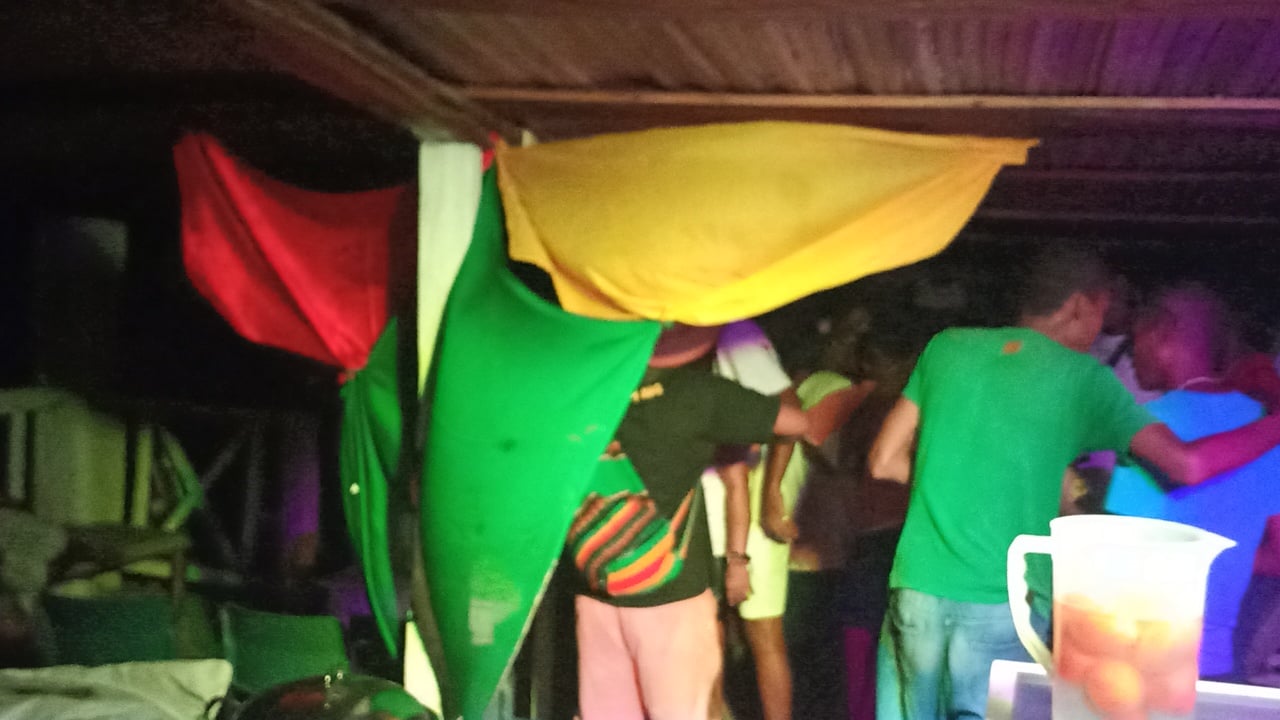
Johnson places Rastafari near the centre of reggae’s moral and visual vocabulary. The movement’s opposition to colonial rule, its spiritual practices and the presence of Nyabinghi drumming all helped shape the genre’s direction. So did the imagery associated with Rastafari, including dreadlocks and the red, gold and green colours. These elements gave reggae a language of African identity and resistance at a time when the island’s cultural and political order remained marked by colonial power. Johnson’s reading treats that influence as fundamental without reducing reggae to a single religious tradition.

His relationship to Rastafari, however, remains distinct from the movement’s influence on the music. Johnson has said he was never fully Rastafarian, having grown up with a Jamaican church background and later leaning toward atheism or agnosticism. He respected Rastafari’s anti-imperialist position and its contribution to black cultural confidence, but did not share beliefs such as the divinity of Haile Selassie. That separation matters in his account: a person could recognize the movement’s historical importance and political insight without accepting all of its spiritual claims as personal truth.
What Johnson ultimately stresses is the practical work of securing civil and political rights. His emphasis falls on social justice and the struggle against oppression rather than on a broad programme of repatriation to Africa. That stance does not dismiss Rastafari’s vision; it places political action ahead of religious allegiance. Across his reflections, reggae emerges as a form of resistance because it gave marginalized people a public voice and challenged imperial ideas about culture, identity and power. Johnson’s contribution is to insist that the music be heard with both its spiritual depth and its political consequences in view.
1 Yard chat
RootsVibesRasta
Big up to the voice of the people, Jah know the roots run true.