The Jamaican artist’s seventh album blends vintage reggae vibes with forward-looking sounds, emphasizing themes of acceptance, forgiveness, and personal evolution.
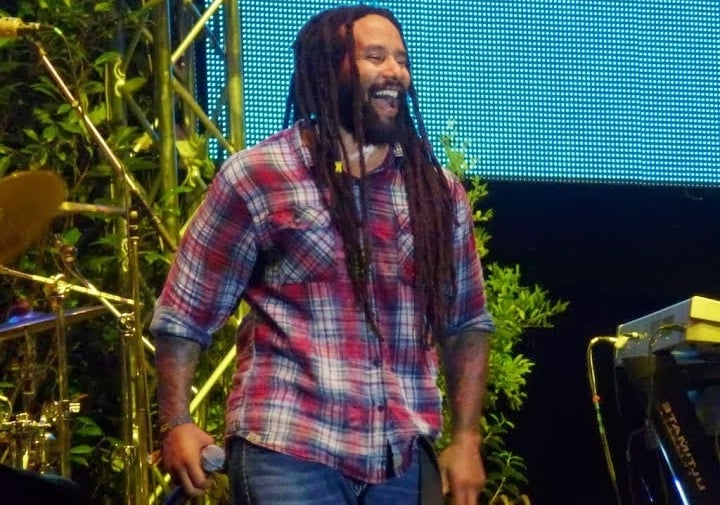
Protoje's latest album, *The Art Of Acceptance*, marks a significant chapter in his musical journey, balancing his reggae roots with contemporary influences. Released on vinyl, cassette, and CD, the project underscores his commitment to heritage music formats, echoing his respect for traditional mediums. Recorded largely with Winta James, who last produced his 2018 album *A Matter Of Time*, the LP features collaborations with Damian Marley, Stephen Marley, Shenseea, Masicka, and Pressure Busspipe, highlighting a diverse Caribbean lineup. Protoje’s focus on blending genres creates a soundscape that appeals to vintage reggae fans and modern listeners alike.
In an in-depth conversation, Protoje shared how the album’s title and themes stem from personal reflection during the Covid-19 pandemic. According to Protoje’s ‘The Art Of Acceptance’ Reflects Growt, inspired by his reading of *In Search Of Lost Time*, he emphasizes that acceptance and forgiveness were crucial for his healing process. The record’s mood is one of introspection, with each track subtly conveying these messages. His approach to art involves accepting that perfection is elusive, and that his evolving style over the years reflects his growth as an artist. He also spoke about his role as a creator—focused on providing listeners with music rather than controlling their perception.
Protoje also opened up about his relationship with his audience, noting that his primary responsibility is to express his feelings honestly. According to the original report), he recognizes that connection depends on individual perception, and he finds liberation in the fact that he can't control how people receive his music. Despite his calm and confident exterior, he admitted to having doubts and insecurities, but he works to transform those into sources of strength. His philosophical outlook extends to global issues, where he condemns fascism, racism, inequality, and violence, emphasizing that social justice begins with basic needs like food security.
The album cover art is a striking visual, inspired by his visit to Ethiopia’s Danakil Desert. According to coverage of the story, he described the experience as life-changing, with the artwork comprising actual pieces from his trip. Filming and photography in Ethiopia, he said, provided a raw and authentic backdrop that complements the album’s themes of acceptance and resilience. He even visited a vinyl collector’s house after the interview, showing his dedication to the physical formats that connect him to his musical roots.