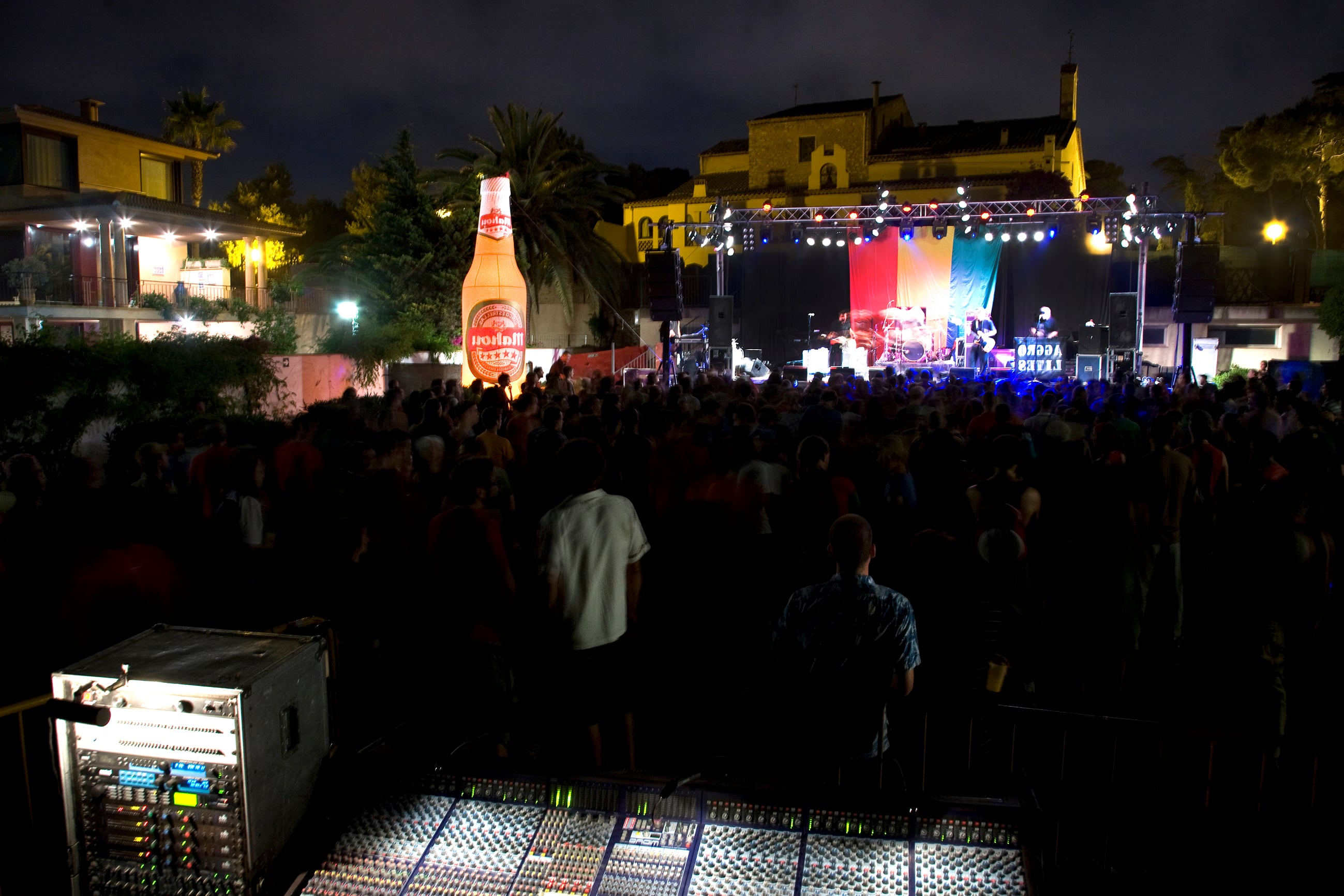
Poland’s long-running reggae gathering reaches its 25th edition with Burning Spear, Alborosie, Polish favourites and a programme built around roots, dub and community.
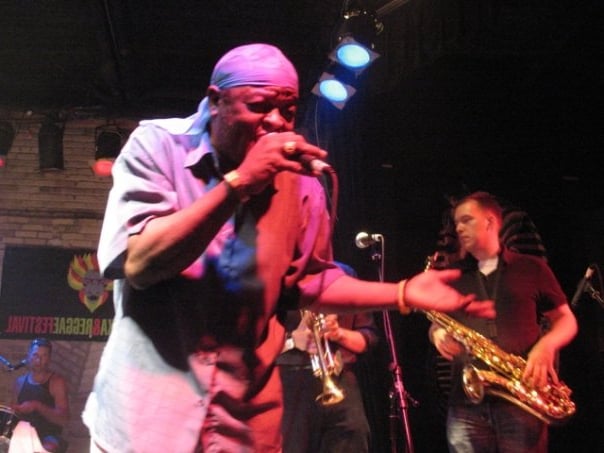
Ostróda Reggae Festival has reached its 25th edition, maintaining a place among Europe’s longest-running celebrations of reggae. Held each July at the town’s Amphitheater and Municipal Stadium, the event has grown from modest beginnings into a meeting point for Jamaican music, Polish reggae and travelling fans. Its identity remains tied to roots and conscious culture rather than passing trends. That balance has helped Ostróda keep its footing for a quarter-century, bringing together established names, local acts and an audience drawn by reggae’s message of unity as much as by the music itself.
The supplied festival report points to a roots-heavy history, naming Burning Spear, The Congos and Culture featuring Kenyatta Hill among the artists previously hosted in Ostróda. Burning Spear is also listed for this edition, marking his first appearance on Polish soil according to that report. Alborosie returns to the programme, adding a contemporary international voice with a wide European following. Together, those bookings place a heavyweight roots tradition beside reggae’s modern global reach, without losing sight of the Jamaican foundations that shaped the festival from the start.
Ostróda’s programme extends beyond the main concerts. The Positive Vibrations March takes the festival into the town’s streets, turning a public procession into a visible statement about peace and togetherness. Workshops, dance classes, film screenings and children’s activities fill out the daytime schedule, giving the gathering a community dimension rather than leaving it as a run of evening performances. Food stalls and merchandise add to the festival setting, while the mix of ages, languages and backgrounds in the crowd reflects how reggae continues to travel without needing a single shared nationality.
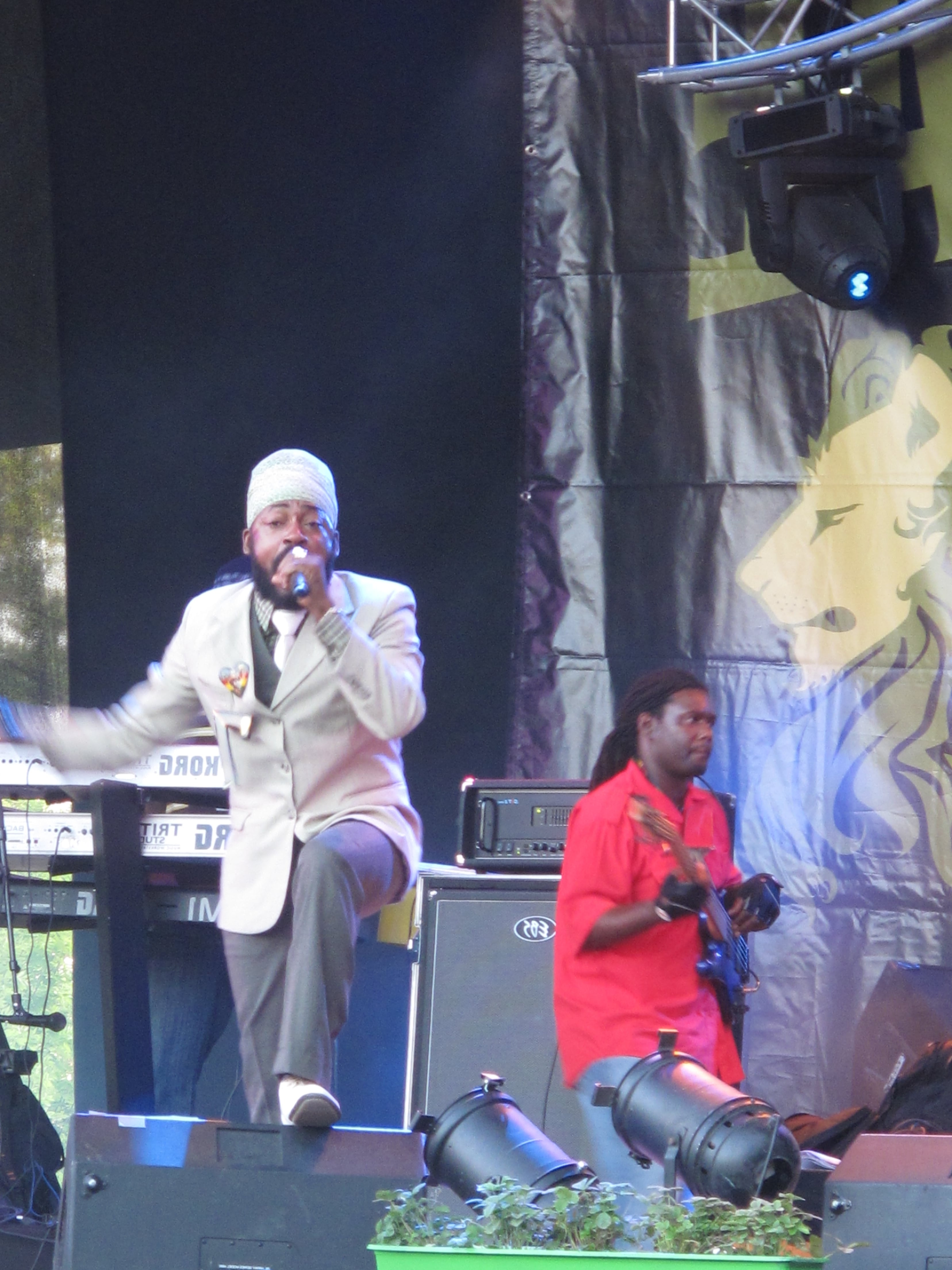
On the Red Stage, the reported lineup brings Polish acts including Vavamuffin, Tabu and Maleo together with international performers. The Green Stage leans into digital dub, with Weeding Dub and Ondubground among the names listed. A Roots Revival sound system clash supplies the dancehall pressure, offering a different kind of energy from the roots sets. The programme also gives space to women artists, with Hempress Sativa appearing alongside a dancehall showcase featuring Samora, Yeza, Ammoye and Zoe Mazah. That range is central to the 25th edition’s character.
The festival’s quarter-century mark matters because Ostróda has kept reggae’s social and cultural side in view while expanding its sound. Local favourites such as Shashamane share the bill with artists from Jamaica and elsewhere, allowing Polish reggae culture to stand beside the music’s wider lineage rather than beneath it. From the march and workshops to the sound-system clash and main-stage sets, the reported programme treats reggae as a living community language. In Ostróda, roots, dub, dancehall and local pride still meet in the same place.
1 Yard chat
FestivalVibesRasta
Poland’s reggae heart beats strong, Jah bless the gathering.